Only 8.5% of MCP servers use OAuth — here's how to host one securely on App Service
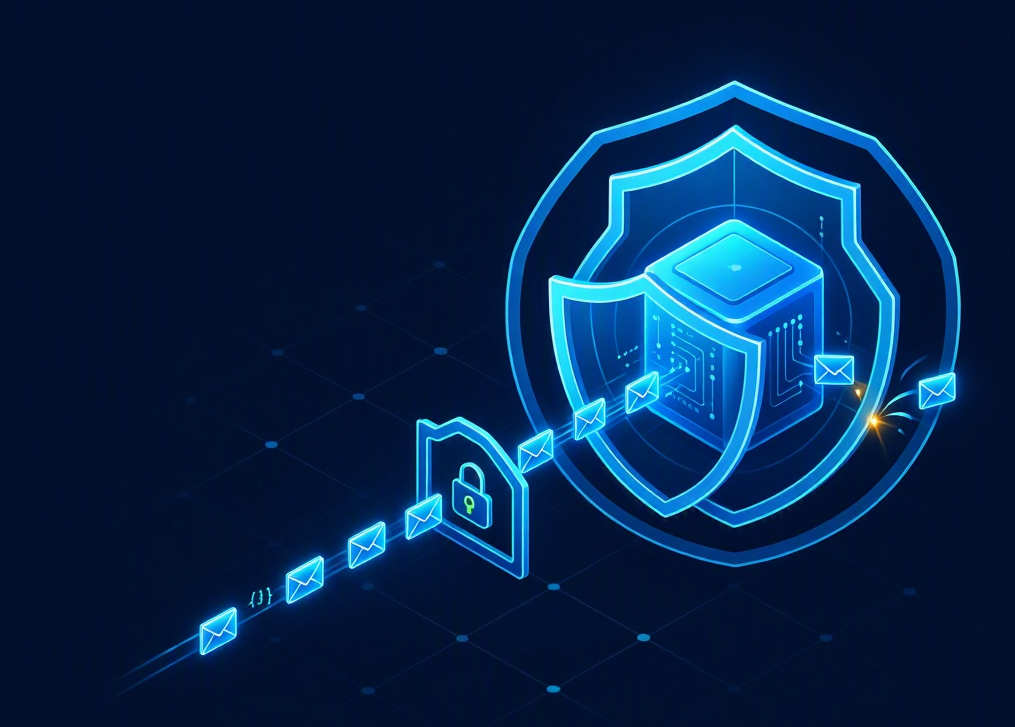
The Model Context Protocol took off because it’s easy — stand up a server, expose a few tools, point Claude or VS Code at it, and your agent can read files, hit APIs, and run code. That ease is also the problem. Astrix Research’s State of MCP Server Security 2025 found only 8.5% of MCP servers use OAuth; the rest lean on static keys or nothing at all. And the CVEs have already started landing — a CVSS 9.6 command-injection flaw in mcp-remote, an unauthenticated RCE in the MCP Inspector dev tool. The spec is explicit that authorization is optional, which means you own the perimeter. Skip it and you’ve published an unauthenticated RPC endpoint that can read secrets and run tools.
So let’s not skip it. This post walks through a hardened MCP server on Azure App Service that closes those gaps — and most of it is platform configuration, not security code you have to write and get right yourself. One azd up (plus an Entra app registration the hook creates for you) gives you an MCP server behind App Service Authentication with spec-compliant MCP authorization, talking to Key Vault over a managed identity, with no public network access, fronted by API Management, and an Application Insights alert watching for abuse.
The full article covers the threat model for a hosted MCP server, then the five defenses layered to answer it: Easy Auth plus the new built-in MCP authorization (Protected Resource Metadata) so unauthenticated calls get a discoverable OAuth challenge instead of a bare 401; managed identity so no secret ever lives in app code — and why you must never pass the MCP-server token downstream; Key Vault references for any remaining config secrets; private endpoints and VNet integration to take the data plane off the public internet; and API Management out front for rate limiting and a throttle on abuse. It closes with the one caution that trips everyone up — adding your real MCP client to the app registration’s allowed-applications and preauthorizing it.
👉 Read the full article on Tech Community and grab the sample repo on GitHub.
Comments